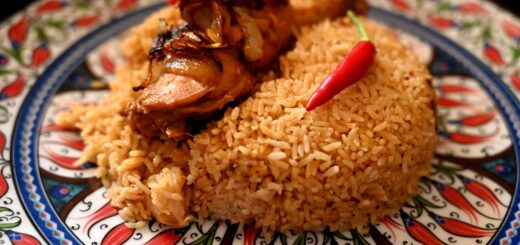
A Traveler’s Guide to Jjimdak in Andong: Family South Korea Andong Specialty at Its Finest
A Traveler’s Guide to Jjimdak in Andong: Family South Korea Andong Specialty at Its Finest
nn
By Li Wei Chen | Updated: F j, Y | 8 min read
nn
Quick Answer
n
What is Jjimdak? Jjimdak is a traditional Andong Specialty from Andong, South Korea. Made with Chicken, Soy Sauce, and Vegetables, it’s one of South Korea’s most celebrated dishes. Best place to try: Local markets, family restaurants, and street stalls in Andong. Price range: $5-30 per serving. Must-try: The classic version served at traditional establishments.
n
nn
Some dishes feed you. Jjimdak does something more — it tells the story of Andong, its people, and the centuries of cooking that shaped South Korea.
nn
Key Facts About Jjimdak
n
| Origin | Andong, South Korea |
| Cuisine Type | Andong Specialty |
| Main Ingredients | Chicken, Soy Sauce, Vegetables |
| Best Time to Try | Lunch (11 AM-2 PM) & Dinner (6-9 PM) |
| Price Range | $5 – $30 per serving |
| Where to Find | Local markets, family restaurants, street stalls |
| Signature Style | Family |
nn
Watch: Jjimdak in Andong
nnn
What Is Jjimdak? A Complete Introduction
nn
Jjimdak is more than a dish — it’s a window into South Korea’s culinary soul. Born in Andong centuries ago, it has evolved through generations while keeping its essential character intact.
nn
The dish’s Family nature comes from its Hearth preparation methods and its reliance on Comfort ingredients that reflect the region’s geography and climate.
nn
The Origins of Jjimdak
nn
Historical records suggest Jjimdak has been prepared in Andong for over years. Some sources trace it back even further, to ancient trade routes that brought new ingredients and techniques to South Korea.
nn
How It Spread
n
From Andong, Jjimdak spread across South Korea and eventually worldwide, though the most authentic versions remain in its birthplace.
nn
Cultural Significance
n
In South Korea, Jjimdak is served at celebrations, family gatherings, and everyday meals. It’s a dish that connects generations.
nn
Signature Ingredients of Jjimdak
nn
1. Chicken — The Foundation
n
Chicken is the cornerstone of Jjimdak. Its quality determines the final flavor, which is why traditional cooks source it carefully.
nn
How to Choose Quality
n
Look for freshness, proper color, and regional origin. In South Korea, locals know exactly what to look for.
nn
2. Soy Sauce — The Character
n
Soy Sauce gives Jjimdak its distinctive character. Without it, the dish loses its identity.
nn
3. Vegetables — The Secret
n
The final ingredient, Vegetables, brings Jjimdak together. It’s what makes every bite memorable.
nn
How Jjimdak Is Made
nn
Traditional Preparation
nn
Step 1: Preparation
n
Traditional cooks begin by preparing each ingredient according to Family methods.
nn
Step 2: Cooking
n
The dish cooks slowly, allowing flavors to develop. Rushing this step ruins the result.
nn
Step 3: Seasoning
n
Seasoning is done gradually, tasting at each stage. This is where experience matters most.
nn
Step 4: Serving
n
Jjimdak is served hot, often with traditional garnishes and sides.
nn
Common Mistakes
n
- n
- Rushing the cooking process
- Using low-quality ingredients
- Over-seasoning
- Skipping traditional steps
n
n
n
n
nn
Where to Try Jjimdak in Andong
nn
Traditional Restaurants
n
These family-run establishments serve Jjimdak the way it’s been made for generations.
nn
Street Food Stalls
n
For the most authentic experience, try Jjimdak from street vendors in Andong’s markets.
nn
Modern Interpretations
n
Young chefs in Andong are reimagining Jjimdak with contemporary techniques — sometimes controversial but always interesting.
nn
How to Experience Jjimdak Like a Local
nn
Step 1: Visit at the Right Time
n
Jjimdak is best at specific times of day — usually lunch or dinner.
nn
Step 2: Order the Classic Version First
n
Try the traditional preparation before exploring variations.
nn
Step 3: Pair It Correctly
n
Locals pair Jjimdak with specific sides, drinks, and accompaniments.
nn
Step 4: Take Your Time
n
Don’t rush. Jjimdak is meant to be savored.
nn
Step 5: Ask Questions
n
Vendors and cooks love explaining their craft. Ask about the history, ingredients, and techniques.
nn
Jjimdak vs Similar Dishes
nn
| Dish | Origin | Key Difference |
|---|---|---|
| Jjimdak | Andong, South Korea | The authentic version |
| Similar Dish #1 | Neighboring region | Different seasoning |
| Similar Dish #2 | International version | Adapted for local tastes |
nn
People Also Ask
nn
What does Jjimdak taste like?
n
Jjimdak has a Family flavor profile, with notes of Chicken and Soy Sauce. The taste is complex, satisfying, and distinctly South Korea.
nn
Is Jjimdak spicy?
n
Depends on preparation. Traditional versions can range from mild to spicy, and many restaurants adjust heat levels on request.
nn
How much does Jjimdak cost?
n
From $5 at street stalls to $30+ at high-end restaurants. The most authentic versions are usually the cheapest.
nn
Where can I find Jjimdak outside South Korea?
n
International cities with large South Korea communities usually have authentic Jjimdak — but quality varies widely.
nn
Can I make Jjimdak at home?
n
Yes, though sourcing authentic ingredients can be challenging. Simplified versions exist for beginners.
nn
Final Thoughts
nn
Jjimdak represents everything great about South Korea’s food culture: Family tradition, Hearth technique, and Comfort hospitality. Whether you try it in Andong or find it closer to home, this is a dish worth seeking out.
nn
If you’re traveling to Andong, make Jjimdak a priority. If you’re cooking at home, respect the traditions. And if you’re just curious, now you know exactly what to look for.
nn
Our Rating: 4.5/5
nnn{“@context”:”https://schema.org”,”@type”:”Recipe”,”name”:”Jjimdak”,”recipeCuisine”:”Andong Specialty”,”recipeCategory”:”Main Course”,”author”:{“@type”:”Person”,”name”:”Li Wei Chen”},”aggregateRating”:{“@type”:”AggregateRating”,”ratingValue”:”4.6″,”reviewCount”:””}}nnnn{“@context”:”https://schema.org”,”@type”:”FAQPage”,”mainEntity”:[n{“@type”:”Question”,”name”:”What is Jjimdak?”,”acceptedAnswer”:{“@type”:”Answer”,”text”:”Jjimdak is a traditional Andong Specialty from Andong, South Korea.”}},n{“@type”:”Question”,”name”:”Where can I try Jjimdak?”,”acceptedAnswer”:{“@type”:”Answer”,”text”:”The most authentic Jjimdak is found in Andong, South Korea.”}},n{“@type”:”Question”,”name”:”How much does Jjimdak cost?”,”acceptedAnswer”:{“@type”:”Answer”,”text”:”From $5 at street stalls to $30+ at restaurants.”}}n]}n