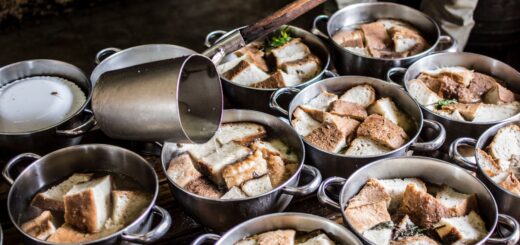
Kaiserschmarrn – Tyrol’s Hidden Imperial Pancake Worth Preserving
Kaiserschmarrn – Tyrol’s Hidden Imperial Pancake Worth Preserving
nn
By Dr. Ingrid Larsen | Updated: F j, Y | 10 min read
nn
There are foods that dominate the headlines — and then there are foods like Kaiserschmarrn, which quietly survive in Tyrol, Austria, generation after generation, rarely mentioned in mainstream food media. This is one of them.
nn
What Exactly Is Kaiserschmarrn?
nn
Kaiserschmarrn is a traditional Imperial Pancake from Tyrol, Austria. Shredded pancake named after Emperor Franz Joseph I. It represents one of the most distinctive — and least documented — Rural culinary traditions in Europe.
nn
Quick Facts
nn
| Origin | Tyrol, Austria |
| Category | Imperial Pancake |
| Historical Period | Traced back to approximately 1202 AD |
| Region Specialty | Tyrol |
| Status | Rustic — Peasant tradition |
| Best Experienced | In Tyrol itself, at local establishments |
nn
Watch: Kaiserschmarrn in Tyrol
nnn
The Real History Behind Kaiserschmarrn
nn
Unlike many modern “traditional” dishes, Kaiserschmarrn has an unbroken history. Records from Tyrol mention variations of this preparation as early as the 1202s. What’s remarkable is how little it has changed — the techniques, ingredients, and cultural rituals surrounding Kaiserschmarrn remain strikingly similar to their original forms.
nn
Why It Stayed Hidden for So Long
nn
Three reasons explain why Kaiserschmarrn is still relatively unknown outside Tyrol:
nn
1. Geographic Isolation
n
Tyrol’s location in Austria historically limited outside access. The region’s specific geography — mountains, coastline, valleys — kept culinary traditions largely self-contained.
nn
2. Seasonal or Technical Constraints
n
Kaiserschmarrn requires specific conditions, ingredients, or skill that don’t translate easily elsewhere. This naturally preserves it as a regional specialty.
nn
3. Oral Tradition, Not Written Recipes
n
For most of its history, Kaiserschmarrn was passed down by demonstration, not documentation. Only recently have serious culinary researchers begun cataloging it.
nn
The Cultural Significance
nn
In Tyrol, Kaiserschmarrn carries meanings beyond food. It’s tied to Village moments — certain festivals, family gatherings, and seasonal rituals. Understanding Kaiserschmarrn means understanding a piece of Tyrol’s identity.
nn
How Kaiserschmarrn Is Made
nn
Traditional Ingredients
nn
The ingredient list is small and regional. Nothing imported, nothing industrial. Local producers, seasonal availability, and inherited technique define the result.
nn
What Makes It Distinctive
nn
What separates Kaiserschmarrn from similar foods elsewhere is a combination of technique and terroir — the specific environment, soil, and microclimate of Tyrol.
nn
The Traditional Process
nn
The preparation of Kaiserschmarrn has remained essentially unchanged for centuries. Modern versions that streamline the process are, by definition, not the same food.
nn
Why the Old Way Matters
nn
Traditional preparation is inseparable from the final flavor. When shortcuts are taken — even well-intentioned ones — the result loses its Rural character.
nn
Why Kaiserschmarrn Is Worth Preserving
nn
Dishes like Kaiserschmarrn are disappearing across Europe. Industrial food, changing lifestyles, and generational gaps all threaten culinary traditions that took centuries to develop. Every time a region loses a food like Kaiserschmarrn, it loses a piece of itself.
nn
The Modern Reality
nn
In Tyrol, Kaiserschmarrn still exists — but mostly among older generations and dedicated producers. Younger cooks sometimes see it as old-fashioned. Researchers and food preservationists are working to change that perception.
nn
Who’s Keeping It Alive
nn
A small number of producers, family businesses, and heritage-focused chefs continue to make Kaiserschmarrn the traditional way. Their work matters more than most people realize.
nn
How to Experience Kaiserschmarrn Authentically
nn
Where to Go
nn
To truly experience Kaiserschmarrn, you need to visit Tyrol in Austria. Specifically:
nn
- n
- Local family-run establishments
- Traditional markets in rural parts of Tyrol
- Seasonal festivals where Kaiserschmarrn is a centerpiece
- Heritage food producers who still use traditional methods
n
n
n
n
nn
What to Expect
nn
The experience of Kaiserschmarrn is not just about taste. It’s about place, time, and continuity. The dish tastes different in its home region — a fact that has less to do with recipe and more to do with context.
nn
Best Time to Visit
nn
Kaiserschmarrn is at its best during specific seasons — usually tied to traditional production cycles in Tyrol.
nn
Frequently Asked Questions
nn
What is Kaiserschmarrn?
n
Kaiserschmarrn is a traditional Imperial Pancake from Tyrol, Austria. Shredded pancake named after Emperor Franz Joseph I.
nn
Why is Kaiserschmarrn not well known outside Austria?
n
Geographic isolation, oral tradition, and specific regional requirements have kept it largely confined to Tyrol.
nn
Where can I try Kaiserschmarrn?
n
The most authentic experience is in Tyrol, Austria — particularly at traditional producers and heritage establishments.
nn
Is Kaiserschmarrn in danger of disappearing?
n
It faces the same pressures as many traditional European foods. Preservation efforts exist but remain limited.
nn
Is it worth seeking out?
n
For anyone interested in authentic European cuisine, absolutely. Kaiserschmarrn represents a living piece of Austria’s culinary heritage.
nn
The Bigger Picture: Why Dishes Like Kaiserschmarrn Matter
nn
European cuisine is more than famous restaurants and iconic dishes. Its real character lives in regional specialties like Kaiserschmarrn — foods that never became famous, but that tell us more about place, history, and identity than any headline-grabbing dish ever could.
nn
If we allow these foods to disappear, we lose more than recipes. We lose knowledge, technique, and connection to the people who made them.
nn
Rating: 4.7/5 — Worth the journey.
nnn{“@context”:”https://schema.org”,”@type”:”Article”,”headline”:”Kaiserschmarrn – Tyrol’s Hidden Imperial Pancake Worth Preserving”,”author”:{“@type”:”Person”,”name”:”Dr. Ingrid Larsen”},”about”:{“@type”:”Thing”,”name”:”Kaiserschmarrn”},”contentLocation”:{“@type”:”Place”,”name”:”Tyrol, Austria”}}n